How to Improve Athletic Performance by Reducing Inflammation Naturally

You train consistently, eat reasonably well, and still feel like recovery is always a step behind. That gap between effort and actually feeling good is something many active people recognize. More often than not, inflammation sits right in the middle of it. Inflammation is a normal part of athletic life. It shows up after hard sessions, during stressful weeks, and when sleep falls short. The goal is not to eliminate it. The goal is to manage it well enough that it no longer slows you down.
Small, consistent habits make that possible. Not dramatic overhauls. Just steady daily choices that support your body across weeks and months. In this blog, we’ll explain how inflammation affects athletic performance, which foods and recovery habits support better training outcomes, and how to build a routine you can maintain.
What inflammation actually does to your body
Not all inflammation works against you. Acute inflammation is a normal and important part of the body’s healing response. After a tough workout, it helps initiate the tissue repair and adaptation that allow your body to respond to training. The goal is not to eliminate that process. It is to give your body what it needs to complete it efficiently.
Chronic inflammation is different. When demanding training is repeatedly combined with inadequate sleep, poor nutrition, high stress, or insufficient recovery, your body may struggle to return to its baseline. Energy can drop, soreness may linger, and maintaining your normal training output can become harder.
For athletes, the focus should be on creating conditions that allow short-term inflammation to resolve while reducing the lifestyle patterns associated with ongoing inflammation. Managing that balance matters far more than chasing zero inflammation.
Anti-inflammatory foods worth building your diet around
Food is one of the most reliable ways to support recovery and improve athletic performance naturally. A well-rounded approach to nutrition that supports athletic recovery and immune function begins with enough total energy, protein, fiber-rich carbohydrates, fruits, vegetables, and healthy fats.
Fatty fish such as salmon and sardines provide omega-3 fats. Berries, tart cherries, and leafy greens contain vitamins and plant compounds that help the body manage the oxidative demands of exercise. Turmeric and ginger can also be worked into meals regularly as part of a balanced eating pattern.
Whole grains, nuts, seeds, and olive oil round out a diet built for sustained recovery. These are not specialty foods or short-term fixes. They are practical staples that support your body when they appear consistently across your week.
Recovery habits that do more than you might expect
Sleep is the most underrated performance tool available. During deep sleep, your body repairs tissue, regulates stress hormones, and clears metabolic waste from training. Cutting it short consistently raises inflammation markers and slows recovery. Prioritizing seven to nine hours of sleep is one of the highest-return habits for natural recovery among athletes.
Cold and heat therapy both earn a place in post-training routines. Cold exposure helps reduce acute soreness after intense sessions. Heat supports circulation and muscle relaxation. Neither needs to be extreme to be useful.
On rest days, low-intensity movement like walking, easy stretching, or light mobility work keeps circulation going without adding stress. Staying completely still often makes soreness worse, not better.


How hydration fits into the inflammation picture
Inadequate fluid replacement can compromise performance and make it harder to recover well after training. Because sweat rates and fluid needs vary among athletes, following an individualized hydration plan is more useful than relying on a single universal amount.
Hydrating before, during, and after training gives your body steadier support than trying to catch up several hours later. Your needs may also change with the weather, session intensity, exercise duration, and how heavily you tend to sweat.
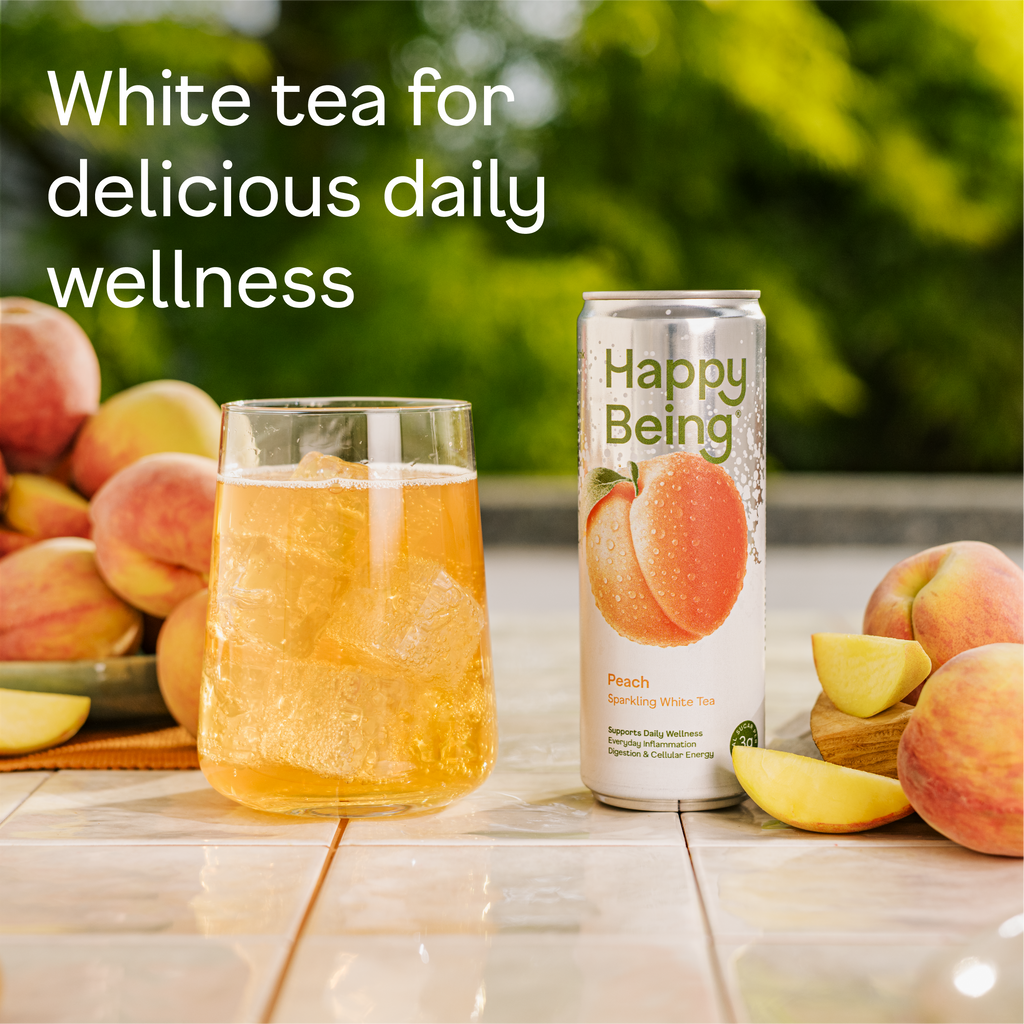
Beyond plain water and appropriate electrolyte drinks, white and green teas contain plant compounds that can complement a broader recovery routine, alongside the plain water and electrolytes your training already calls for. Readers interested in their specific role can learn more about using white tea to support the body’s natural inflammatory balance.
Functional ingredients that support daily recovery
Certain ingredients can fit naturally into a consistent wellness routine for active people looking to support recovery between training sessions.
Turmeric is commonly used to support the body's natural inflammatory response, the same role it plays as a food mentioned earlier, but formulation matters when moving from meals to a daily can. Standard turmeric and curcumin can be difficult for the body to use efficiently, which is why it helps to understand how turmeric format and bioavailability affect absorption.
Elderberry and Vitamin C provide antioxidant and everyday immune support, which can be especially relevant during demanding training blocks. Pterostilbene and organic white tea contain plant compounds associated with antioxidant activity, the same oxidative load flagged earlier with berries and tart cherries, and the same teas mentioned above as part of a recovery-day hydration habit. A closer look at polyphenols and oxidative stress explains how these compounds fit into a consistent, long-term wellness routine.
Happy Being combines these ingredients in a light, refreshing can that fits naturally into the day. There are no capsules, powders, or extra preparation, making it a simple part of a recovery routine you can realistically maintain.
Building a routine you can actually keep

Consistency matters more than intensity when it comes to improving athletic performance naturally. A recovery habit you follow most days will always outperform a perfect protocol you follow occasionally.
Pairing nutrition, movement, and recovery into one daily rhythm makes the whole thing easier to sustain. When sleep, food, hydration, and a few supportive ingredients all point in the same direction, the results add up quietly. You do not notice a single great day. You notice that you feel better across weeks.
FAQs
Is all exercise-related inflammation harmful?
No. Short-term inflammation supports normal repair and adaptation, whereas prolonged inflammation may interfere with recovery and consistent performance.
What naturally supports recovery between workouts?
Adequate nutrition, hydration, quality sleep, active recovery, and appropriate rest between demanding sessions help the body recover effectively.
When should post-workout soreness be taken seriously?
Seek medical advice for severe or worsening pain, marked weakness or swelling, dark urine, or symptoms that continue despite adequate rest.
Make Recovery Easier to Repeat

Training creates the demand, but the habits you repeat between sessions determine how well your routine supports you. Happy Being brings organic white tea, Turmacin® turmeric extract, elderberry, pterostilbene, and Vitamin C together in one light, ready-to-drink can, making antioxidant and everyday immune support easier to build into a busy training schedule.
Keep your wellness routine simple, refreshing, and ready when the workout ends by exploring Happy Being’s white tea blends.
Disclaimer: This article is for general informational purposes only and is not intended as medical advice. Always consult a qualified healthcare professional before making changes to your diet, training, or wellness routine.