Why Is My Mood Always Low? The Gut-Brain Inflammation Link, Explained

You wake up feeling flat. Nothing happened. There is no obvious reason, but that heavy, low feeling is there anyway, and it has been for a while. If that sounds familiar, you are not imagining it. What most people do not realize is that persistent low mood often has a quiet physical component, and one of the most overlooked places to look is your gut.
The connection between gut health and mood is more direct than most people expect. Understanding it is a good place to start. In this blog, we’ll explain how the gut-brain connection may influence low mood, where inflammation fits into the picture, and which daily habits can support both gut health and emotional well-being.
Your gut and your mood are in constant conversation
Your gut and brain are linked through a two-way communication network called the gut-brain axis. Signals travel continuously in both directions through nerves, hormones, and immune pathways. The vagus nerve is one of the major channels carrying information between your digestive system and brain.
In practice, this means that what happens in your gut can shape how you feel mentally. When your gut is balanced, those signals may help support a steadier internal environment. When it is not, changes in digestion, immune activity, and stress signaling may affect your emotional state in ways that are difficult to trace back to their source. The gut-brain mood connection runs deeper than most daily wellness conversations acknowledge.
What does inflammation have to do with how you feel
Researchers are continuing to study how immune activity in the gut may influence brain function and depressive symptoms. When the gut microbiome, the community of bacteria and other microorganisms living in your digestive tract, falls out of balance, it may affect inflammatory and stress-related signals throughout the body.
This matters because inflammation can interact with several pathways involved in mood regulation. Serotonin is one part of that picture, but the relationship is more complex than where serotonin is produced. The gut may influence mood through immune signaling, the vagus nerve, stress-response systems, and the metabolism of compounds involved in neurotransmitter production. This helps explain why low mood and gut health are increasingly studied together, even though the connection is not the same for everyone.
Supporting the body's inflammatory response through diet and targeted ingredients is one of the few pieces of this chain you can influence directly.
Signs your low mood may have a gut component
Some patterns are worth paying attention to. If your mood tends to dip alongside bloating, fatigue, or digestive discomfort, that overlap is worth noting. Feeling consistently worse after certain foods, during stressful stretches, or when sleep is disrupted is also a sign that your gut may be contributing to your emotional experience.
Brain fog, low energy, and mood shifts that do not align with your circumstances often point in the same direction. These are not random. They are frequently the body's signal that the gut environment needs attention. If you have been asking yourself why your mood is always low, looking at gut health is a fair and reasonable place to begin.
Small daily habits that support both your gut and your mood
Supporting gut health does not require a dramatic overhaul. Fiber-rich foods such as vegetables, legumes, and whole grains feed beneficial bacteria in your gut. Fermented foods such as yogurt, kefir, and sauerkraut introduce helpful microorganisms directly. These are among the practical dietary habits that can support a healthier digestive system, and neither requires perfection to be worthwhile.
Sleep, movement, and stress management matter here too. Poor sleep and chronic stress can affect the gut environment and the way your body regulates inflammation. Drinks made with anti-inflammatory and antioxidant ingredients cannot replace fiber and fermented foods for directly feeding gut bacteria. Still, they can complement that foundation by supporting the inflammatory side of the gut-mood connection.
Even modest, steady improvements in these areas can help create a more supported internal environment over time.

How ingredients like turmeric, elderberry, and pterostilbene fit in
Certain ingredients are commonly used to support the body’s natural inflammatory response and overall cellular balance, making them relevant to the broader gut-mood conversation.
Turmeric, particularly in a bioavailable form like Turmacin®, which is the same inflammatory pathway that can be affected when the gut microbiome is out of balance, can support the body’s natural inflammatory response. Bioavailability matters because an ingredient your body cannot absorb well offers limited benefit, regardless of the dose shown on the label.
Elderberry and Vitamin C provide antioxidant and immune support, helping the body maintain a more balanced internal environment from day to day. Pterostilbene, a compound related to resveratrol, also provides antioxidant support for cellular health and overall well-being. Organic white tea rounds this out with its own digestive-supportive properties.
These ingredients are most useful as part of a consistent routine rather than a temporary reaction to feeling off.
Making gut support feel like a habit, not a project

The most effective approach to gut and mood support is one you can genuinely maintain. Consistency carries more weight than intensity. A complicated routine followed for two weeks will usually do less for you than a simple one you can keep for months.
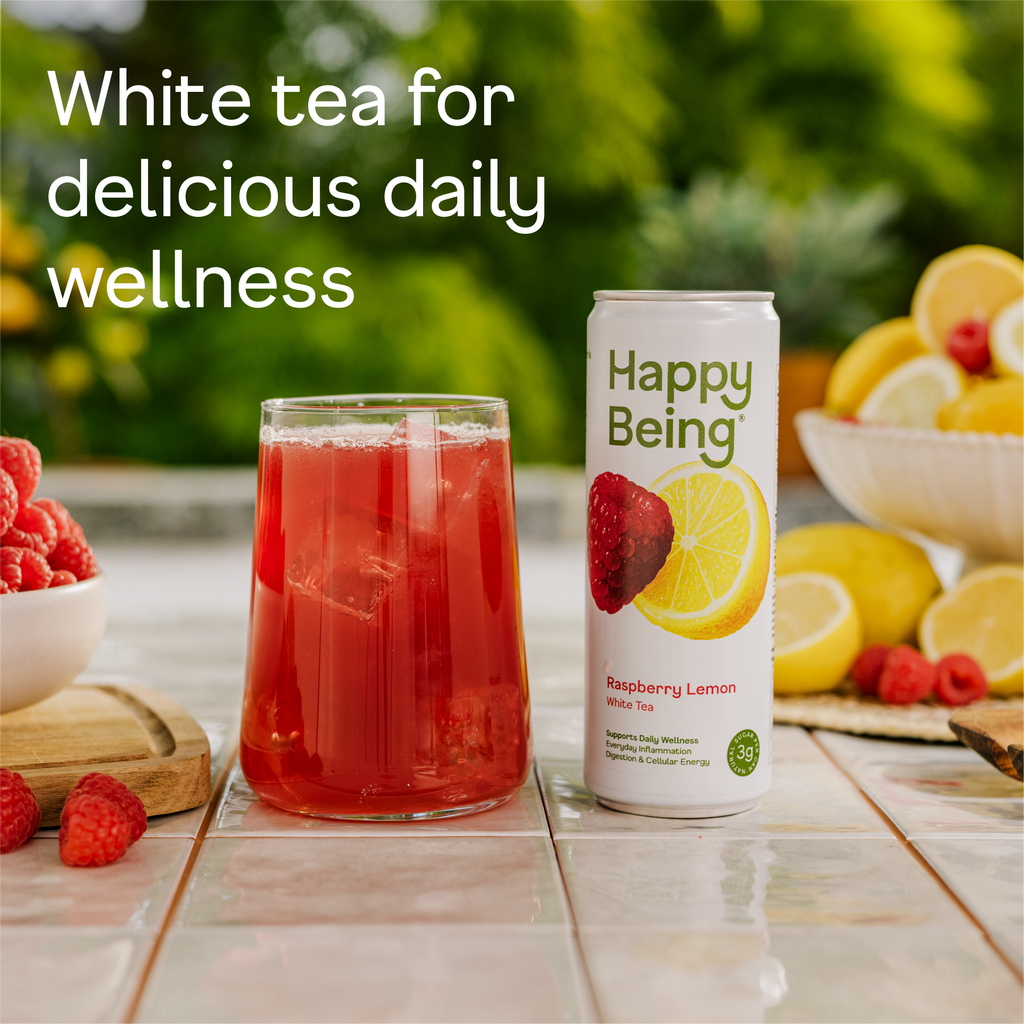
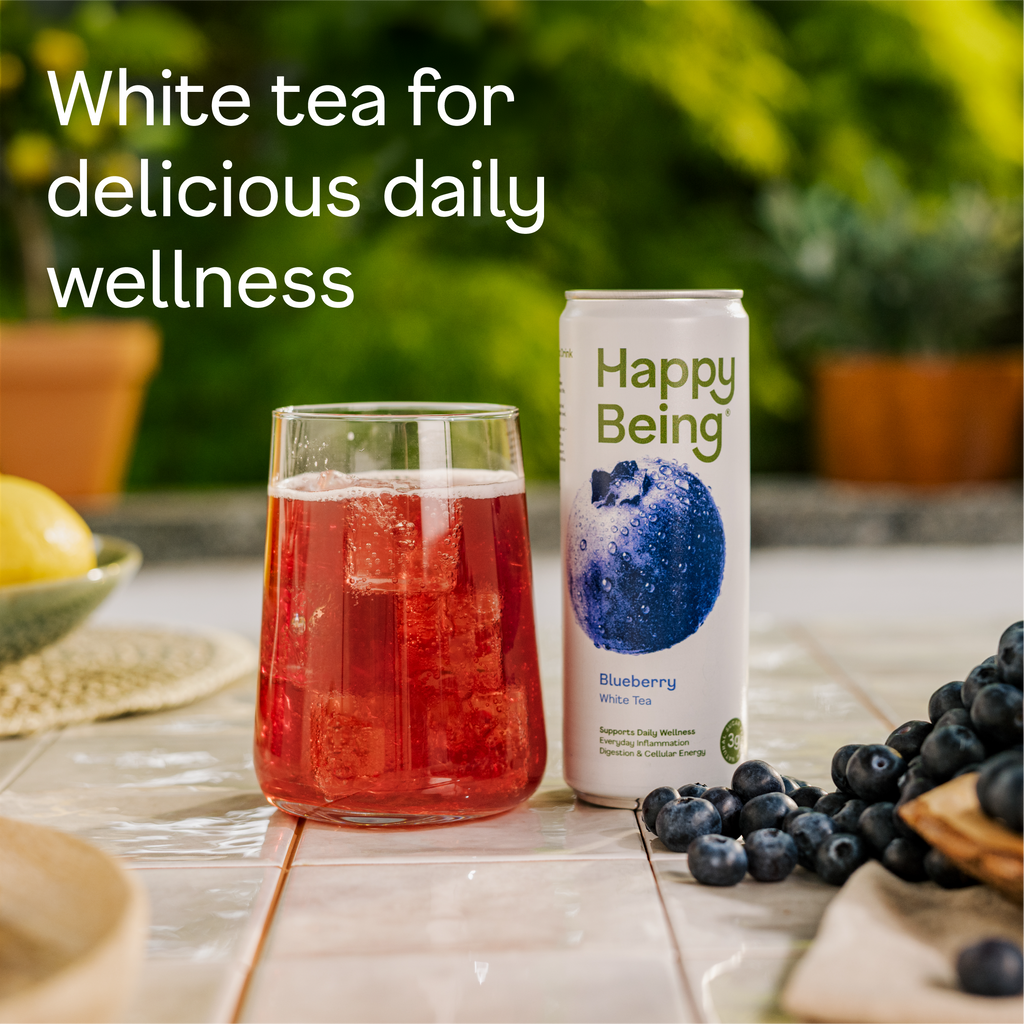
A daily drink that combines thoughtfully chosen ingredients in a format you enjoy can make that consistency easier. Happy Being brings together bioavailable turmeric, elderberry, pterostilbene, organic white tea, and Vitamin C in a light, refreshing can that fits naturally into your day. Readers interested in the tea’s specific digestive role can learn more about white tea's digestive benefits and how it may fit into a broader gut-supportive routine.
Happy Being is not a standalone answer to persistent low mood. Still, it can become one practical part of a steady wellness routine built around food, sleep, movement, stress support, and professional care when needed.
Frequently asked questions
Can gut health really affect your mood?
Yes. The gut is sometimes called the body's second brain because of how actively it communicates with the central nervous system. It produces a significant portion of the body's serotonin, a key mood-regulating chemical. When gut health is compromised, production and signaling can be affected, often showing up as shifts in mood, energy, and mental clarity.
What does low-grade inflammation have to do with low mood?
Acute inflammation is the body's short-term response to injury or illness. Low-grade inflammation is different. It is a quieter, ongoing state that can develop when the gut microbiome is imbalanced. Over time, this type of inflammation may dampen the body's mood-regulating pathways, contributing to a persistent flatness with no clear emotional explanation.
How long does it take to feel a difference when supporting gut health?
There is no single answer, and being realistic here matters. Some people notice shifts in digestion or energy within a few weeks of making consistent changes. Mood-related shifts often take longer, typically several weeks to a few months of steady habits. The most important variable is not how much you do at once, but how consistently you show up for your routine over time.
FAQs
Can an unhealthy gut directly cause low mood?
Gut health may influence mood through immune, hormonal, and nervous-system pathways, but persistent low mood can have many causes and should not be attributed to the gut alone.
Which foods support the gut-brain connection?
A varied diet rich in vegetables, fruit, legumes, whole grains, and fermented foods can help support a diverse gut microbiome and overall digestive health.
When should you seek help for persistent low mood?
Speak with a healthcare professional if low mood lasts two weeks or longer, affects daily life, or is accompanied by changes in sleep, appetite, concentration, or interest in usual activities.
Make Everyday Support Easier to Keep

A wellness routine only works when it is simple enough to become part of your actual day. Happy Being combines organic white tea, Turmacin® bioavailable turmeric, elderberry, pterostilbene, and Vitamin C in one light, refreshing drink made for consistent antioxidant, immune, and digestive wellness support.
Give your routine a stronger and more sustainable starting point by exploring Happy Being’s white tea blends.
Disclaimer: This article is for general wellness information only and is not intended as medical advice. If you are experiencing persistent low mood or mental health concerns, please speak with a qualified healthcare provider.