Digestive Drinks That Work: Ingredients to Soothe Your Stomach

Some days, your stomach tells you right away when something feels off. Maybe you feel bloated after a meal. Maybe digestion feels slow. Maybe you just feel heavy, uncomfortable, and a little less like yourself.
That is usually when digestive drinks start sounding helpful. The problem is that many of the usual options are not built for everyday support. Some are loaded with sugar. Some are too harsh. Some promise a dramatic “detox” when what your body really needs is something gentler and more consistent.
A better digestive drink should feel light, be easy to enjoy, and be simple enough to fit into real life. The best ones are usually built around ingredients that help support your gut over time, not force a quick fix.
Why gut health matters
Your gut does more than process food. It is closely connected to how you feel day to day, including your energy, comfort, and overall sense of balance.
When digestion feels off, the rest of the day can feel off, too. Bloating, fullness, and post-meal discomfort can make everything feel a little heavier. Over time, everyday factors like stress, highly processed foods, poor sleep, and inconsistent eating habits can worsen that.
That is why simple support matters. A drink with thoughtful ingredients can be one easy way to support digestion, especially when it fits into a broader routine of hydration, balanced meals, and consistency.
Six ingredients to look for in a digestive drink

Not every drink marketed for gut health is worth your time. If you want something that actually feels supportive, these are the kinds of ingredients worth paying attention to.
1. Prebiotics
Prebiotics are compounds that help feed the beneficial bacteria already living in your gut. They are different from probiotics, which are live bacteria. Think of prebiotics as fuel for the good microbes your body already relies on.
Ingredients like chicory root, inulin, and other plant fibers are commonly used for this purpose. Over time, prebiotics may help support a healthier gut environment and more comfortable digestion.
2. Ginger
Ginger has a long history of being used to help settle the stomach. It is commonly used for nausea, bloating, and that uneasy feeling that can show up after a heavy meal.
It is one of the most familiar digestive ingredients for a reason. Ginger feels warming, soothing, and simple, making it a natural fit for a drink meant to support stomach comfort.
3. White tea polyphenols
White tea is a gentle base for a wellness drink. It naturally contains polyphenols, including EGCG, which are known for their antioxidant activity.
For digestion, that matters because a gentler, lighter drink often feels easier to return to than something overly sweet or intense. White tea can help make a digestive drink feel refreshing and calm rather than heavy.
4. Turmeric
Turmeric is widely used in wellness routines for its active compound, curcumin. It is often included in drinks meant to support a healthy inflammatory response and overall digestive ease.
It is not about instant results. It is about choosing ingredients that may help your body feel a little more supported over time.
5. Elderberry
Elderberry is usually associated with immune support, but it also provides antioxidant compounds. In a digestive drink, it can play a supportive role, adding fruit-forward flavor without adding much added sugar.
That balance matters. A drink can be functional and still taste good.
When included thoughtfully, it can help make a drink feel like part of a more complete daily wellness habit rather than a one-note solution.
The problem with most “detox drinks.”
A lot of so-called detox drinks are built around urgency. They are marketed like your body needs to be fixed fast.
Usually, that means one of two things: too much sugar, or ingredients that feel harsh rather than supportive.
That is why many of these drinks do not become lasting habits. They may feel intense in the moment, but they are not necessarily something you want to come back to every day.
A better digestive drink works with your body, not against it. It feels light. It tastes good. It supports hydration. And it fits into your routine without turning wellness into a project.
A simpler daily ritual for digestion
This is where Happy Being fits in naturally.
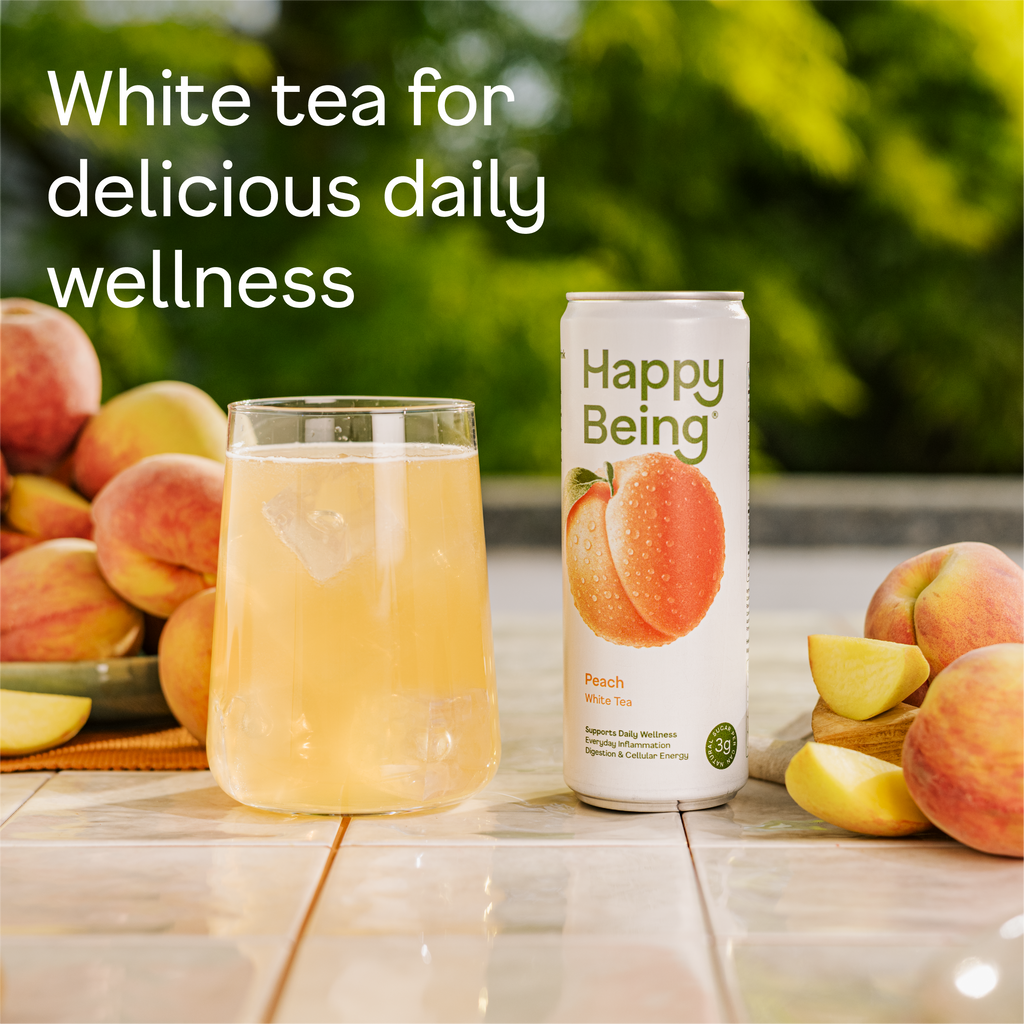
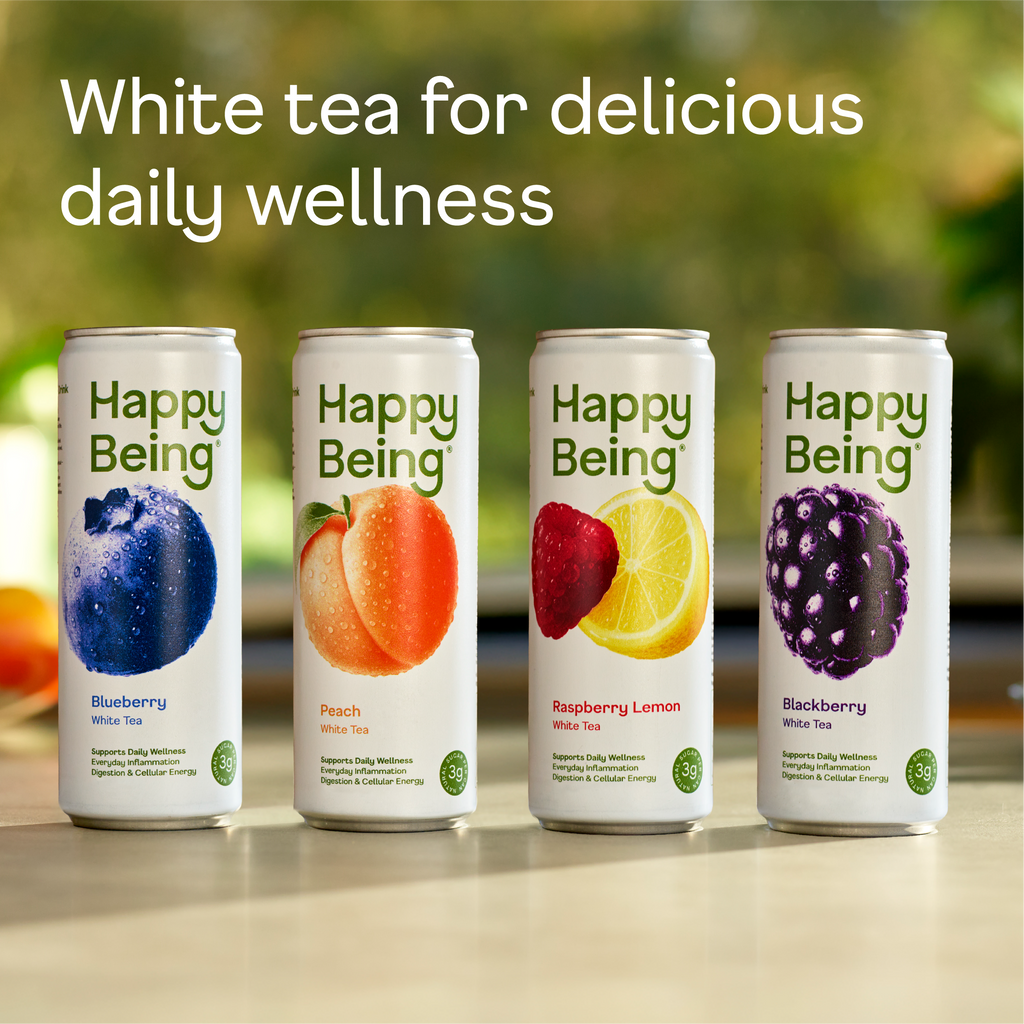
Happy Being White Tea is designed to make daily wellness feel easier. Instead of leaning on sugar, harsh ingredients, or overblown claims, it brings together white tea polyphenols, plant antioxidants, and supportive ingredients in a way that feels light and approachable.
That makes it a good fit for the kind of digestive support people actually want: something refreshing, lower in sugar, and easy to enjoy regularly.
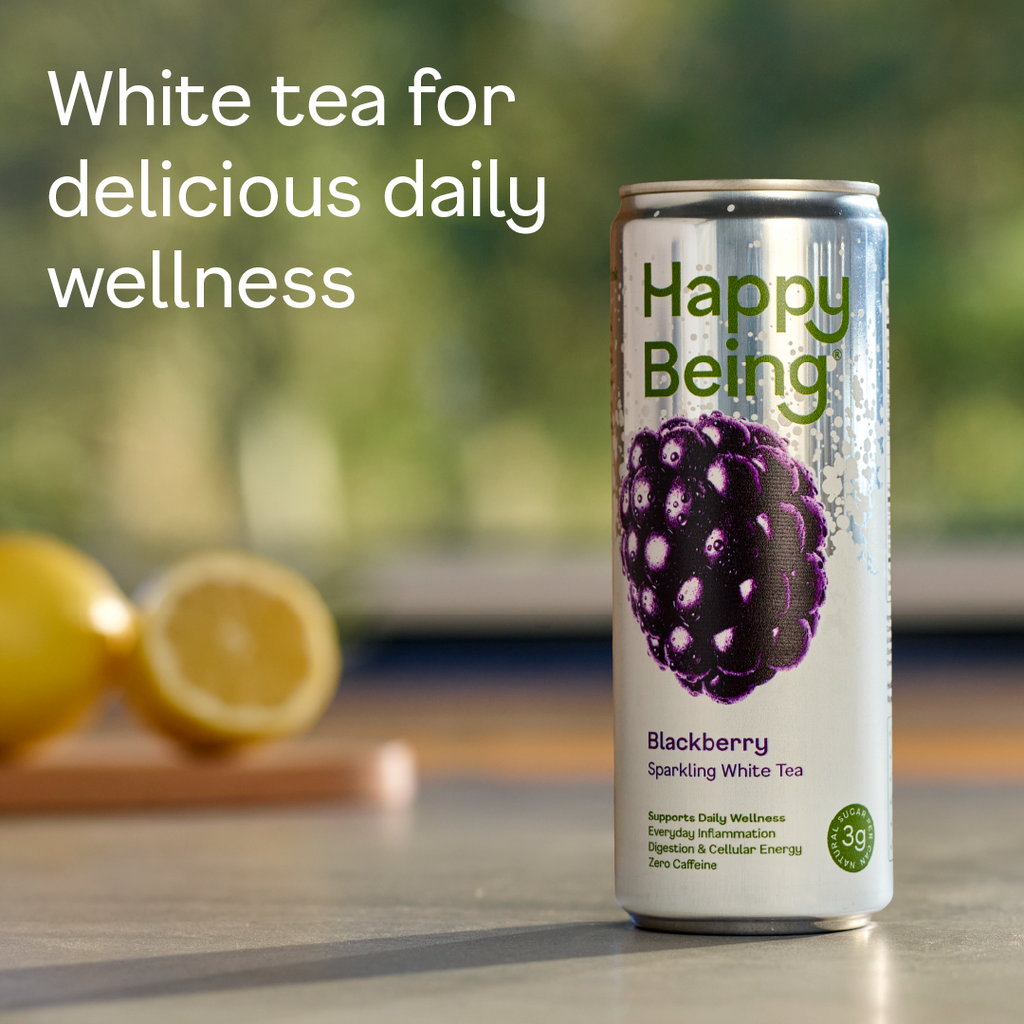
Whether you reach for Sparkling Blackberry, Peach, or the Still Variety Pack, the goal is the same. Keep it simple. Keep it enjoyable. Let it become one small ritual that supports how you want to feel.
Drink your way to gentler gut support

Digestive wellness is usually not about a single dramatic fix. It is about small choices that help you feel better more consistently.
A thoughtful digestive drink can be one of those choices. Look for ingredients like prebiotics, ginger, white tea polyphenols, turmeric, elderberry, and vitamin C. Choose something gentle enough for everyday life. And focus on support, not extremes.
That is the idea behind Happy Being. A light, feel-good drink that makes gut support feel a little more realistic, a little more delicious, and a lot easier to keep coming back to.
Quick note: This blog is for general wellness information only and is not medical advice.
FAQs
When should I drink a digestive drink?
Many people enjoy one with a meal or later in the day when bloating or heaviness tends to show up. The best time is the one that fits naturally into your routine.
Do digestive drinks replace probiotics?
Not necessarily. Some drinks are built around prebiotics, which help feed beneficial gut bacteria rather than replace them.
Are digestive drinks okay to have every day?
They can be, especially when they are made with gentle ingredients and lower sugar. The key is choosing something you actually feel good drinking regularly.
How is a tea-based digestive drink different from kombucha?
Tea-based options often feel lighter and simpler. Depending on the formula, they may also be a better fit for people looking for a gentler, lower-sugar daily ritual.