Why Sulforaphane and Polyphenols Belong in a Smarter Daily Wellness Routine

Most people already know the basics. Eat more vegetables. Cut back on processed food. Build consistent habits. The gap isn't usually knowledge. It's the distance between knowing something is good for you and actually fitting it into your day in a way that lasts.
Sulforaphane and polyphenols have quietly earned more space in everyday wellness conversations, and the reason is straightforward. Neither demands a dramatic overhaul. What makes them worth paying attention to is how they work steadily over time, through small, regular inputs rather than occasional bursts of effort.
What sulforaphane actually is (and where it comes from)
Sulforaphane is a naturally occurring compound found in cruciferous vegetables like broccoli, cabbage, kale, and Brussels sprouts. It forms when you chew or chop these vegetables, triggering a reaction between an enzyme called myrosinase and a precursor compound called glucoraphanin.
Broccoli sprouts are often considered one of the most concentrated food sources of sulforaphane. Young sprouts contain significantly higher levels of glucoraphanin than mature broccoli, which makes them an efficient way to get more from a smaller amount of food.
For people who want more consistent intake without eating sprouts every single day, broccoli sprout extract may offer a more practical option. Depending on the formula, it can provide a more standardized way to incorporate sulforaphane into a daily routine.
How sulforaphane works in your body
Sulforaphane supports your body through a pathway called NRF2. Think of NRF2 as a regulatory switch inside your cells. When sulforaphane activates it, your body responds by supporting antioxidant-related enzymes, including pathways connected to glutathione, one of the compounds cells use to help manage oxidative stress.
This is what makes sulforaphane an indirect antioxidant. Rather than neutralizing free radicals on its own, it signals your body to generate the tools to handle that job. The distinction matters because this process creates a longer-lasting cellular response than a direct antioxidant would.
A dose of vitamin C, for example, works quickly and clears your system in a relatively short window. Sulforaphane’s NRF2 activation may support a longer-lasting antioxidant response compared with some direct antioxidants. That staying power is a meaningful part of what makes it worth including in a daily routine.
The key sulforaphane benefits worth knowing about

Sulforaphane's NRF2 activation relates to several aspects of everyday well-being worth understanding on their own terms.
Inflammation support. Sulforaphane helps support a balanced inflammatory response. Low-grade, chronic inflammation affects how the body ages and how it handles daily stress, so supporting that balance consistently matters more than most people realize.
Cellular defense. Through NRF2, sulforaphane supports the body’s natural cellular defense pathways, which help cells respond to everyday oxidative stress. Think of it as support for the systems your body already uses to stay balanced.
Gut health. Research into sulforaphane and gut health is still in its early stages, but early findings suggest it may help support the gut lining and the balance of bacteria in the digestive
tract. As the connection between gut health and overall well-being becomes clearer, this area is only growing in relevance.
Brain and cognitive function. Sulforaphane's antioxidant and anti-inflammatory support extends to the brain. Some research suggests a potential role in supporting cognitive function over time, particularly by reducing cellular oxidative stress.
Together, these benefits make sulforaphane less of a quick-fix ingredient and more of a steady daily support system for the body’s natural resilience.
Where polyphenols fit into the picture
Polyphenols are a broad family of plant compounds found in foods like berries, green tea, dark chocolate, olive oil, and red grapes. They are among the most studied compounds in nutrition, largely because of their antioxidant activity and their role in supporting cardiovascular, metabolic, and immune health.
Where sulforaphane primarily acts through NRF2 activation, polyphenols tend to act through complementary but distinct pathways, including direct free-radical neutralization and modulation of inflammatory signaling. They support overlapping areas of cellular health without duplicating each other's work.
Some of the best polyphenol foods to pair with a cruciferous-rich diet include blueberries, green tea, elderberries, and pomegranate. Polyphenol supplements, including those built into functional drinks, can also fill gaps when diet alone isn't consistent enough.
Why consistency matters more than intensity
A single large dose of any wellness compound rarely outperforms steady, daily support. Your body responds better to regular low-level inputs because it can integrate them into ongoing cellular processes. Occasional flooding followed by long gaps gives your cells very little to build on.
This is especially true for sulforaphane and polyphenols. Their support is most meaningful when it becomes part of a consistent pattern. The NRF2 pathway responds to regular input, and polyphenol-rich foods or drinks tend to work best as part of an everyday routine. Making both part of a repeatable daily habit is where the real value shows up, not in a single high-effort day.
Easy ways to work sulforaphane and polyphenols into your day

A food-first approach works well for most people. Adding broccoli sprouts to a salad, drinking green tea in the morning, and including berries in meals covers a lot of ground without requiring a new routine from scratch.
When the diet is inconsistent, broccoli sprout extract and polyphenol supplements offer a practical bridge. They deliver standardized amounts without depending on perfect eating habits every single day.
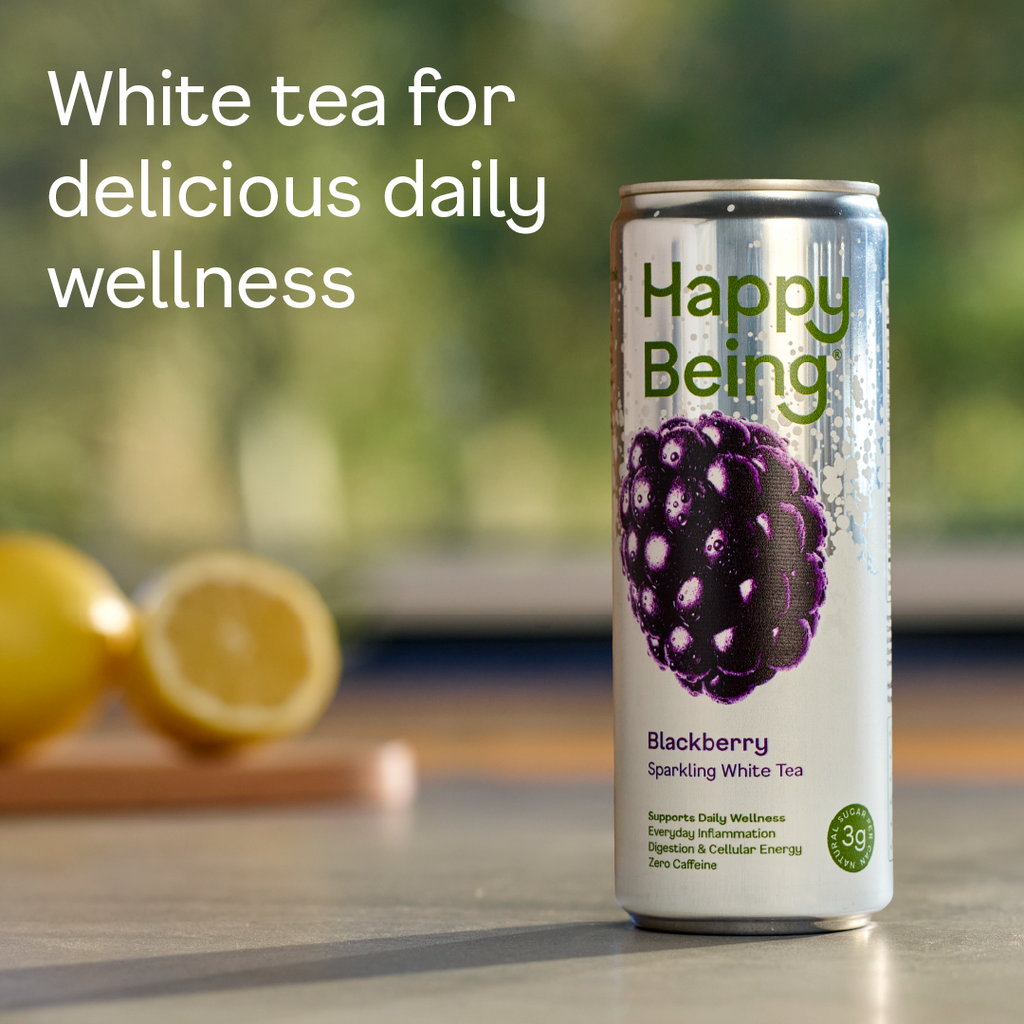
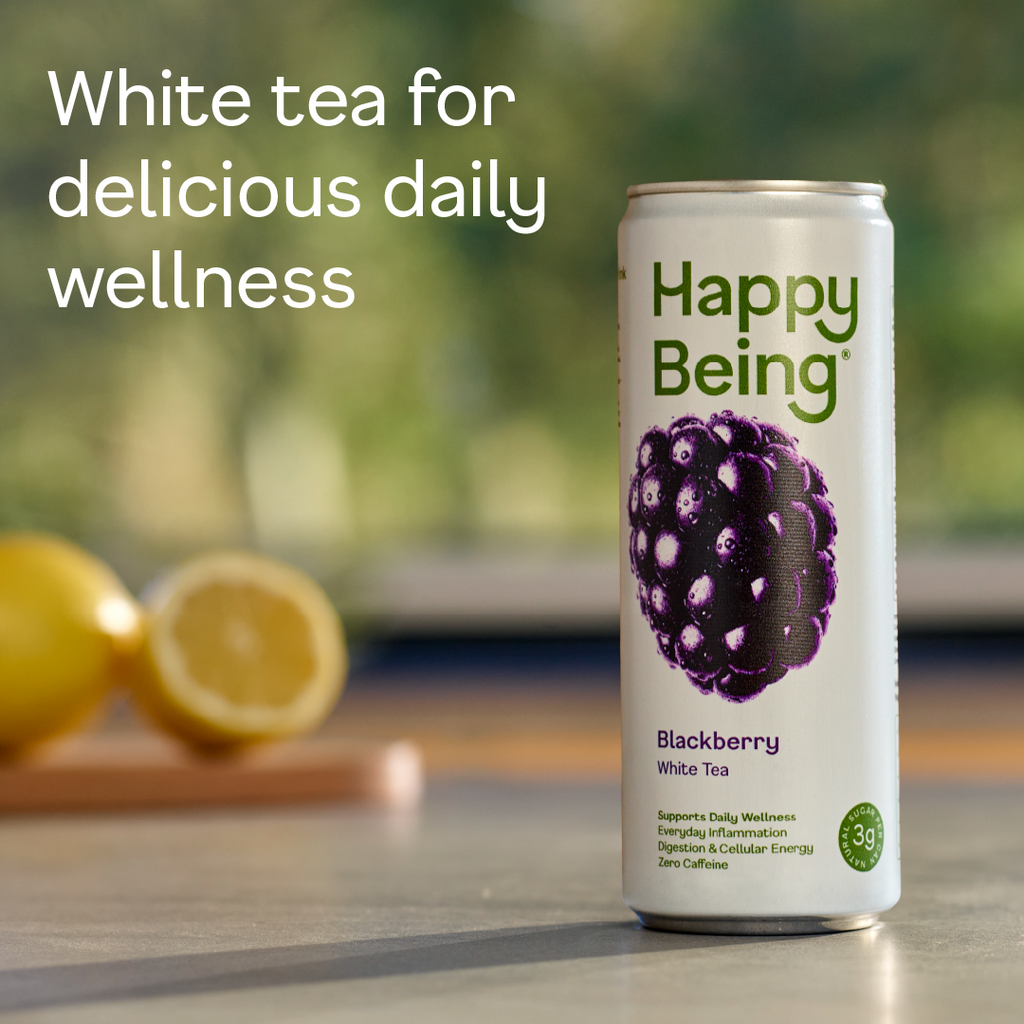
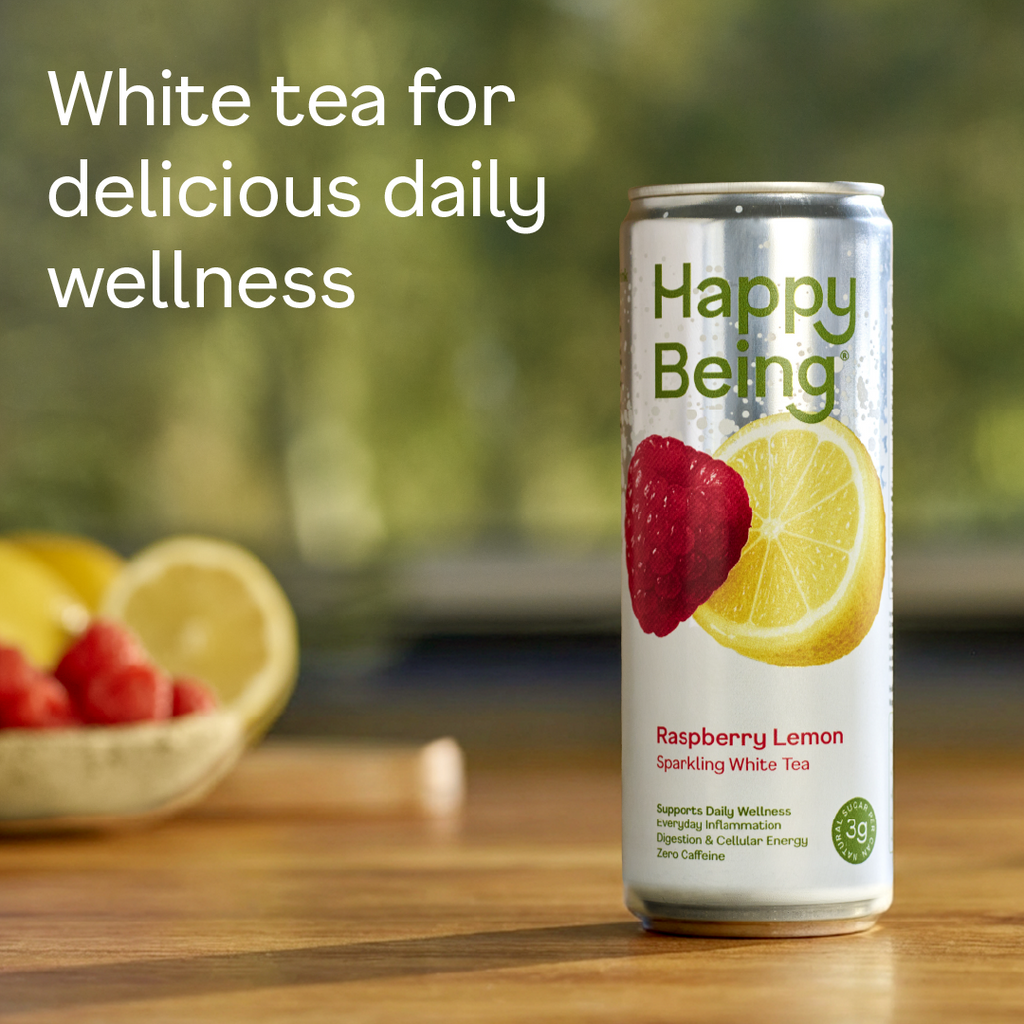
A functional wellness drink is one of the lowest-effort ways to bring more polyphenol support into a daily ritual. Happy Being is built around exactly this idea. Each can includes pterostilbene, a highly bioavailable polyphenol, alongside Vitamin C and bioavailable turmeric in a light, easy-to-drink format. It fits into a morning, a lunch break, or an afternoon without adding any complexity to your day.
Make smart wellness feel effortless
Smart wellness does not have to feel like another task on your list. The routines that last are usually the ones that feel simple, refreshing, and easy to repeat. Happy Being brings together pterostilbene, a highly bioavailable polyphenol, with Vitamin C and bioavailable turmeric in a light white tea drink made for real daily life.
You can reach for it in the morning, with lunch, or whenever your day needs a steadier reset. For a simple way to make polyphenol-rich support part of your everyday rhythm, try Happy Being’s White Tea Variety Pack.
FAQs
What foods are highest in sulforaphane?
Mature broccoli, cabbage, kale, and cauliflower can also support sulforaphane production, but typically at lower concentrations. Preparation matters too. Raw or lightly steamed vegetables preserve more of the myrosinase enzyme needed to produce sulforaphane, whereas heavy cooking substantially reduces it.
Is sulforaphane safe to take every day?
For most healthy adults, sulforaphane from foods like cruciferous vegetables is generally considered safe. If you are considering concentrated supplements, have existing health conditions, take medications, or are pregnant or breastfeeding, it is worth checking in with a healthcare provider first. If you have existing health conditions, take medications, or are pregnant or breastfeeding, it's worth checking in with a healthcare provider before adding it regularly.
How is sulforaphane different from other antioxidants?
Most antioxidants work by directly neutralizing free radicals. Sulforaphane works indirectly by activating the NRF2 pathway, which prompts your cells to produce their own antioxidant enzymes. This mechanism tends to produce a more sustained cellular response than direct antioxidants, which move through your system more quickly.
Can you get enough sulforaphane from food alone?
It depends on how consistently you eat cruciferous vegetables and how you prepare them. For people who include broccoli sprouts regularly and prepare them correctly, food alone may be enough. For everyone else, broccoli sprout extract offers a more reliable way to maintain consistent intake without depending entirely on diet.
Wellness disclaimer: This article is for general informational purposes only and is not intended as medical advice. Always consult a qualified healthcare professional before making changes to your diet or wellness routine.