What does inflamed skin actually look like? Signs you might be missing

A patch of redness that fades by afternoon. Skin that feels tight for no obvious reason. A mild flush after a meal that you brush off and forget. These small signals are easy to explain away, and most people do exactly that. But skin changes like these are often your body's way of communicating something worth paying attention to. Inflammation shows up in more ways than most people expect, and the subtler signs tend to go unnoticed the longest.
In this blog, we’ll explain what inflamed skin can look and feel like, highlight the subtle signs people often miss, and share daily habits that may support calmer, healthier-looking skin.
What inflamed skin actually is
Skin inflammation is your body's protective response in action. When your immune system detects something it wants to address, whether that is an irritant, internal stress, or something environmental, it sends increased blood flow and immune activity to the area. In the short term, that response is useful.
The issue is when it lingers. Short-term inflammation, like the redness around a minor cut, resolves on its own. Ongoing skin inflammation is lower in intensity but more persistent. It quietly affects how your skin looks, feels, and recovers over time. What does inflamed skin look like in that state? Usually subtler than people expect, which is exactly why it gets missed.
The most visible signs of inflamed skin
Discoloration is one of the most recognizable signs. It appears when blood vessels near the skin’s surface dilate, increasing circulation to the area. Depending on your skin tone, this may look red, pink, purple, brown, gray, or darker than the surrounding skin.
Puffiness or swelling that remains without a clear cause is another visible signal. It may appear around the eyes or along the jawline and can be more noticeable in the morning. Inflamed skin may also appear dry, blotchy, swollen, bumpy, or painful, depending on the cause.
Because these changes sometimes come and go, it is easy to blame tiredness, weather, or a temporary product reaction and move on. Repeated or persistent changes deserve closer attention.
Symptoms that go beyond what you can see
Not all inflamed skin symptoms show up clearly on the surface. Itching, burning, stinging, dryness, or tenderness can occur even when visible changes appear mild. Because there is no obvious rash to point to, these sensations are often dismissed quickly.
Skin that feels rough, unusually tight, or sensitive to a light touch is also worth noticing. So is tenderness in an area where no injury has occurred. These sensations may have several causes, but when they recur or occur together, they can indicate that your skin barrier or immune response needs attention.


Signs of inflamed skin that are easy to miss
Some of the clearest signs of inflamed skin are the ones that feel too minor to take seriously. A patch that takes longer to heal than it should. A spot of recurring irritation that keeps returning to the same place. Subtle texture changes, light flaking, slight thickening, and a rough surface that was not there a few months ago.
Mild rashes that appear and disappear without an obvious trigger are another signal people regularly overlook. So, if your skin responds strongly to a product swap, a change in temperature, or a new fabric, that sensitivity may indicate underlying inflammation rather than the specific trigger itself.
Where inflamed skin commonly shows up on the body
Inflamed skin does not always appear where you expect it. The face is a common site, particularly the jawline, cheeks, and around the eyes. The scalp, neck, and areas behind the ears are often overlooked until the irritation becomes more pronounced.
Hands and forearms, which make constant daily contact with surfaces, water, and products, are frequent sites too. Skin-fold areas like the inner elbows and the backs of the knees tend to trap heat and friction, making them more prone to persistent irritation.
What tends to make skin inflammation worse
Diet plays a real role. Foods high in refined sugar, processed fats, and alcohol are commonly linked to increased skin reactivity. Stress matters too. When your stress response stays elevated, it can affect your skin's ability to maintain its barrier and manage immune activity at the surface.
Sleep disruption works similarly, limiting the overnight recovery your skin depends on. Environmental factors, including pollution, heat, and harsh skincare products, add to the load. Usually, it is not a single trigger but a combination of triggers that tips the balance and makes the signs of inflamed skin more visible.
Small daily habits that support calmer skin
Consistency matters far more than dramatic changes. Frequently swapping products or chasing intense solutions can add more stress to already reactive skin. A steady, gentle routine gives your skin greater stability and also makes it easier to identify products or environmental factors that may be triggering symptoms.
Skin health is not only influenced by what you apply to the surface. Sleep, hydration, balanced nutrition, stress management, and protection from excessive sun exposure all belong in a broader daily routine.
Turmeric is commonly used to support the body’s natural inflammatory response, and readers can learn more about how turmeric fits into a daily wellness routine, including lingering, lower-intensity inflammation that shows up as discoloration or puffiness rather than a clear injury. Organic white tea contains catechins and other polyphenols that may help support the body’s natural inflammatory balance as part of consistent, everyday habits, relevant to the skin barrier function mentioned above, which stress and poor sleep can compromise.
Elderberry also provides naturally occurring plant compounds associated with antioxidant support. Happy Being’s guide to elderberry and antioxidant support explains these compounds in more detail. Vitamin C supports collagen production and antioxidant activity, both of which are relevant to skin structure and elasticity, as well as broader connective tissue maintenance and protection from oxidative stress.
FAQs
Can skin be inflamed without looking red?
Yes. Depending on your skin tone and the cause, inflammation may appear purple, gray, brown, or darker than the surrounding skin, or mainly cause itching, tightness, or tenderness.
What commonly triggers inflamed skin?
Frequent contact with soaps, detergents, fragrances, harsh skincare products, allergens, heat, and sudden temperature changes can all trigger irritation or inflammation.
When should a healthcare professional check inflamed skin?
Seek advice when symptoms persist, repeatedly return, spread, become painful, or interfere with daily life. Sudden facial or tongue swelling requires urgent medical attention.
Make Everyday Skin Support Easier to Maintain

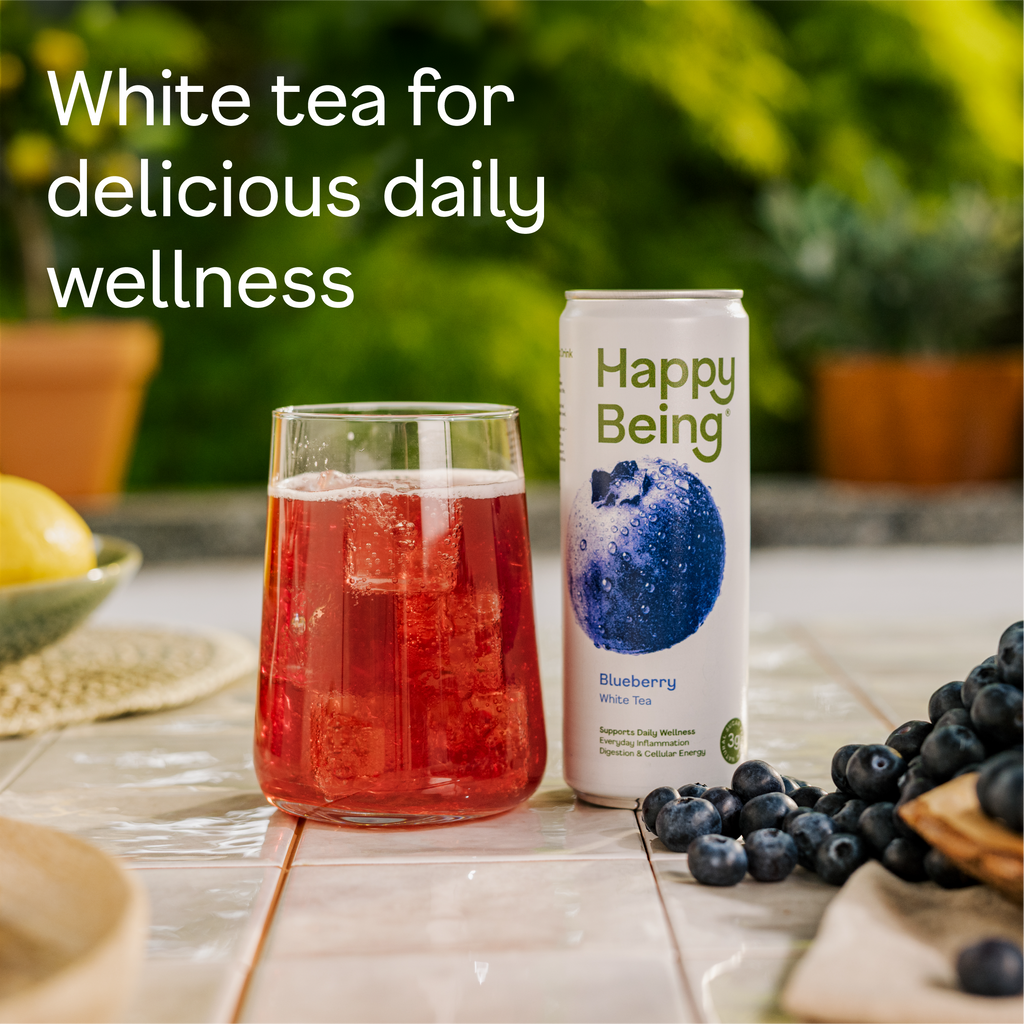
Healthy-looking skin is supported by more than what you apply on the surface. Consistent sleep, balanced nutrition, hydration, gentle skincare, and antioxidant-rich ingredients all belong in the wider routine. A drink that covers the hydration piece while also delivering antioxidant support does double duty in that routine. Happy Being brings organic white tea, Turmacin® turmeric extract, elderberry, pterostilbene, and Vitamin C together in one light, refreshing drink designed to make everyday antioxidant and wellness support easier to repeat.
Build a simple daily ritual that complements your routine by exploring Happy Being’s white tea blends.
Disclaimer: This article is for general wellness information only and is not intended as medical advice. If you are experiencing persistent or severe skin symptoms, please consult a qualified healthcare professional.